Partners
Our strategic partners
The Toolbox is developed through collaboration between organisations advancing knowledge, innovation, and practical solutions for a nature-inclusive North Sea. It brings together research institutes, NGOs, policy partners, and practitioners combining expertise to deliver actionable tools and insights.
Browse the tabs above to learn about our network of supporting organizations.
Advancing the field of nature-inclusive designs
NiD4OCEAN (Nature-inclusive Designs for Reconciling Offshore Renewables with Ocean Protection) is a Horizon Europe project focused on building a strong knowledge base for nature-inclusive designs (NiDs) in European seas. Its goal is to co-create science-based tools for industry, managers and policymakers to support the transition to a sustainable blue economy.
NiD4OCEAN's goals
- Build a strong knowledge base for nature-inclusive design by mapping current solutions and fostering the creation of new ones for offshore renewable energy in European seas.
- Explore the benefits and risks of these designs by developing tools to measure their environmental, economic, and social impacts.
- Provide guidelines on how to choose, implement, and monitor these designs, with input from industry and policymakers, tailored to specific regions, ecosystems, and technologies.
- Increase awareness of the need to balance biodiversity and decarbonization through engagement and user-focused strategies.
Contribution to the Toolbox
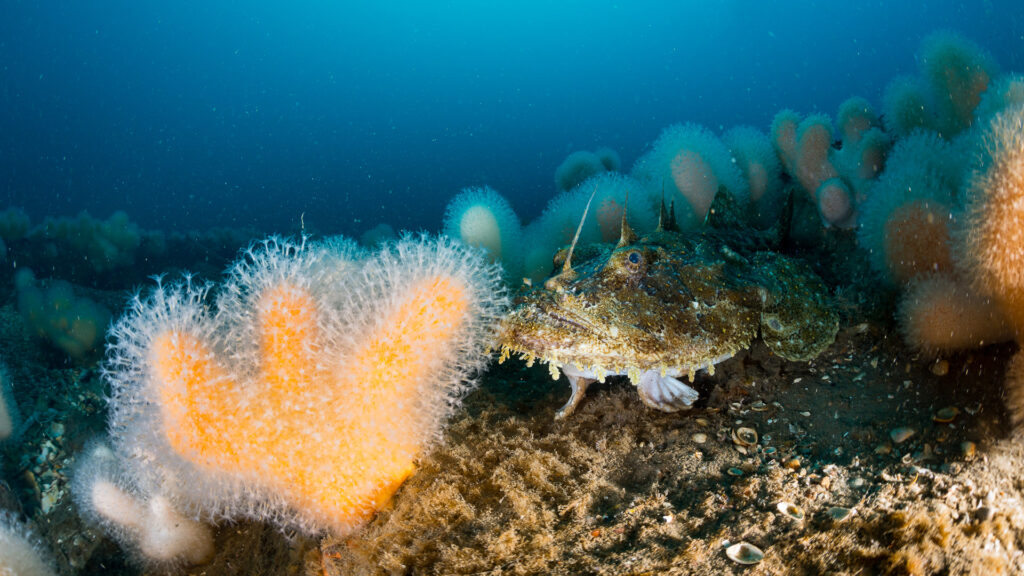
NiD4OCEAN has mapped NiDs and mitigation measures across European Seas, identifying 35 nature-inclusive designs (most for bottom-fixed turbines in the North Sea) and 40 mitigation measures.
This work directly expanded the Toolbox through:
- Including new projects on nature-inclusive designs beyond the North Sea, added to the interactive project map.
- A dedicated category for mitigation measures, with related projects.
- A new page outlining key offshore wind pressures and impacts on marine ecosystems, with links to the OCEaN mitigation database.
- Input to the OCEaN coalition, convened by Renewables Grid Initiative (RGI).
NiD4OCEAN contributes to selected sections of the Toolbox and is not responsible for all platform content. Contributions will continue through September 2027, with outputs such as standards and monitoring recommendations as they become available.
Glossary
-
Any intentional measure that creates optimized artificial habitat with the aim of enhancing selected biodiversity assets. Here, ‘intentional measure’ is an active and deliberate manipulation; ‘creates’ implies something unnatural being constructed; ‘optimized’ denotes adaptations or enhancements to an infrastructure without being its primary objective; ‘artificial habitat’ refers to the built structure or area; ‘selected biodiversity assets’ are selection of life forms, ecological functions and/or processes.Cornacchia et al. (2025)
-
A type of nature-inclusive design aimed at promoting or regaining locally natural ecosystem assets at a certain location (such as facilitating the re-establishment of a species in a natural suitable habitat within its historical range of occurrence).Cornacchia et al. (2025)
The design measures are intended to have long-lasting effects, ensuring the persistence of these ecosystem assets over time. -
A type of nature-inclusive design that seeks to enhance biodiversity "beyond nature" (such as beyond the location where a habitat or species was known to occur), focusing on artificially created ecosystem assets, and which comes in two main forms.Cornacchia et al. (2025)
A first subtype, i.e. creative NID optimizing infrastructure, aims at ecologically optimizing the design of the necessary infrastructure, like the scour protection of an offshore wind turbine, to locally boost selected natural values. While this subtype artificially boosts selected natural values, it may be expected that it will not meaningfully harm natural values prevailing nearby. The second subtype, i.e. creative NID as add-on structures, also aims at boosting selected natural values but it does so by additional artificializing natural habitat that would not have been affected by the infrastructure needed for the activity at sea. In this case, boosting the natural values coincides with an additional direct loss of natural habitat. Examples of this subtype are concrete tubes placed in between turbines to create cod habitat. -
Nature-based solutions address societal challenges through the protection, sustainable management and restoration of ecosystems, benefiting both biodiversity and human well-being.IUCN (2022)
-
Measures taken to reduce, minimize or nullify the negative impact of a human activity on the ecosystem. In the case of aquaculture, this can include reducing the risk of introducing diseases, invasive species, the risk of over-exploitation of the area, or mitigating anchoring effects.Cornacchia et al. (2025)
Scaling nature restoration across the North Sea
Launched in 2025, Nature Regeneration North Sea is a public-private partnership bringing together government, science, industry, and societal organizations, with The Rich North Sea as a part of its core group.
Program ambitions
Supported by a Climate Fund grant, the program focuses on restoring marine ecosystems across the North Sea alongside offshore activities such as wind energy. It aims to improve ecological conditions, restore habitats, and embed nature regeneration into the planning and management of North Sea projects.
Nature Regeneration North Sea strives for the following:
- A healthy, resilient North Sea that benefits people, nature, food and energy.
- Connecting with 50+ government, offshore industry, nature organization and research institute partners to create a powerful approach with lasting impact.
- Make the positive effects of nature restoration at sea visible as early as 2030.
- Collaboration with the eight other North Sea countries: Belgium, France, Germany, Ireland, the United Kingdom, Denmark, Sweden and Norway.
Visit their website to learn more about their work and their projects across the North Sea.
Reef habitat suitability mapping
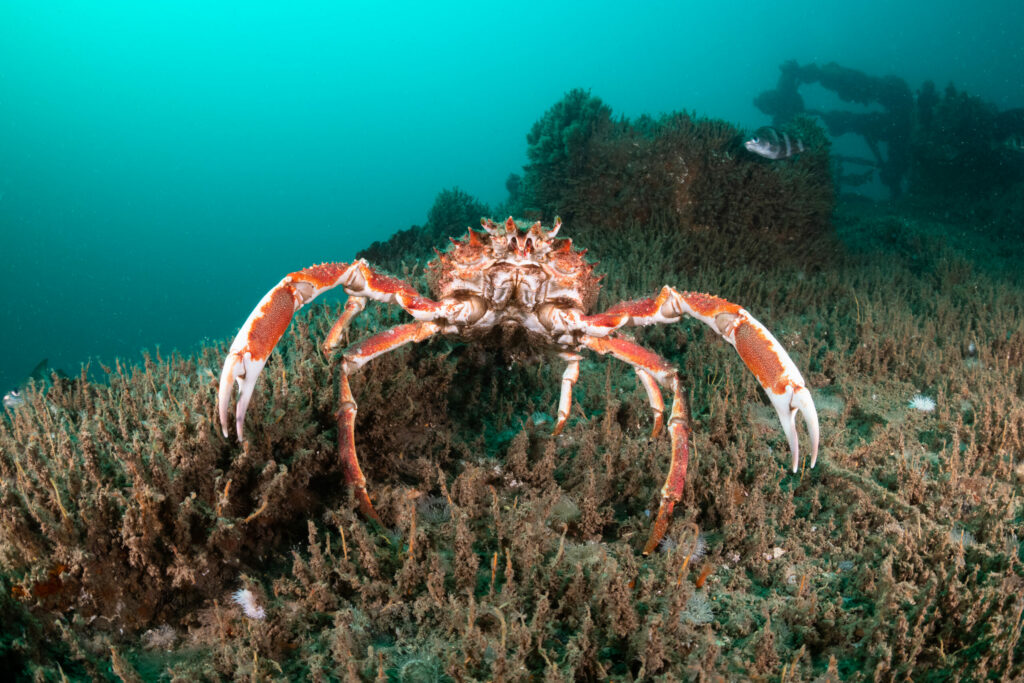
Nature Regeneration North Sea is finding out where marine life can flourish and thrive. This project uses habitat mapping and environmental data to identify the best locations for reef species, helping to guide smarter biodiversity design in offshore wind farms and artificial reefs.
Using reef sound to restore oyster reefs
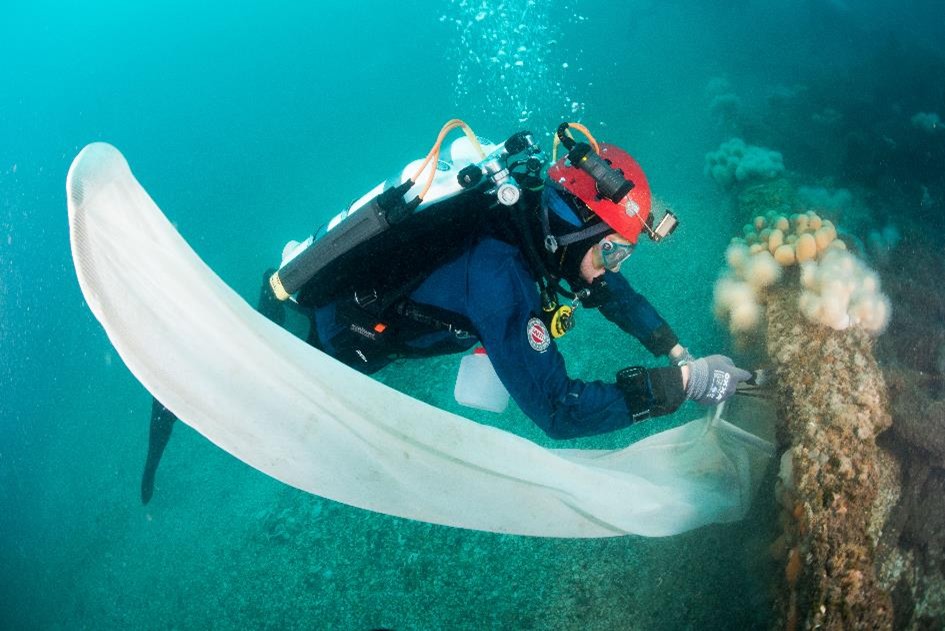
Can sound help bring oysters back to the North Sea? Nature Regeneration North Sea’s pilot project tests whether underwater speakers playing healthy reef soundscapes can attract oyster larvae, support settlement, and accelerate reef recovery.
Explore the work
-
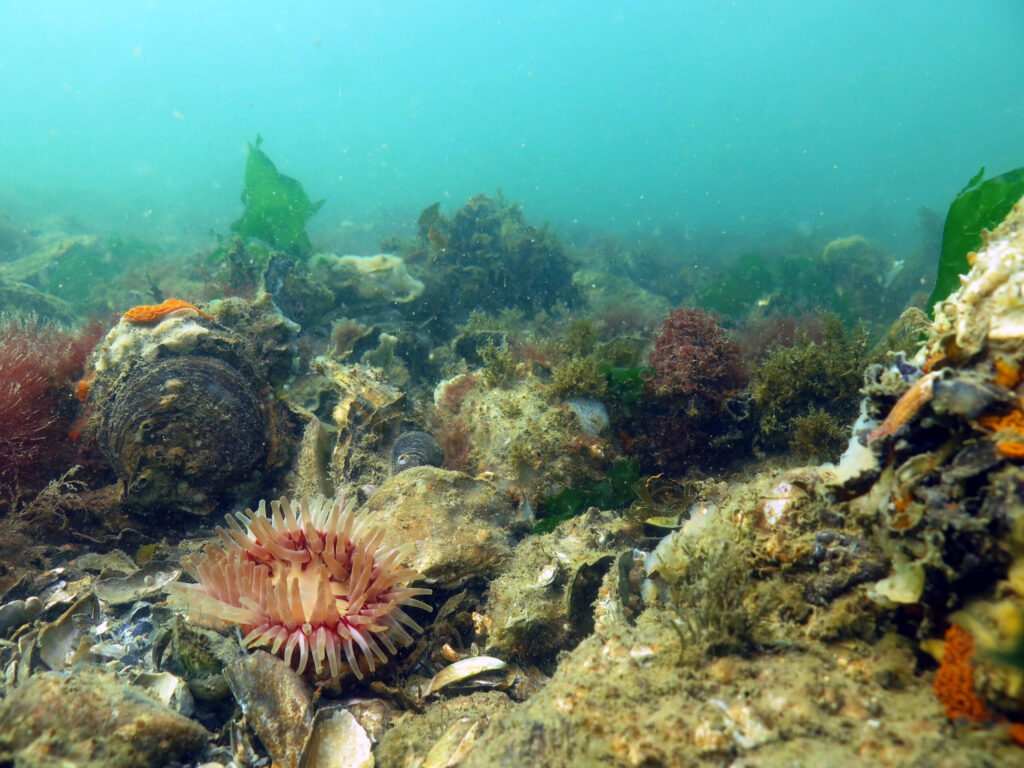
What if restoring the North Sea didn't require massive concrete projects or permanent structures? This report introduces SeaD-bombs: low-cost, biodegradable reef "starter kits" designed to help oysters and marine life rebuild lose habitats naturally, then disappear once nature takes over.Read the research
-
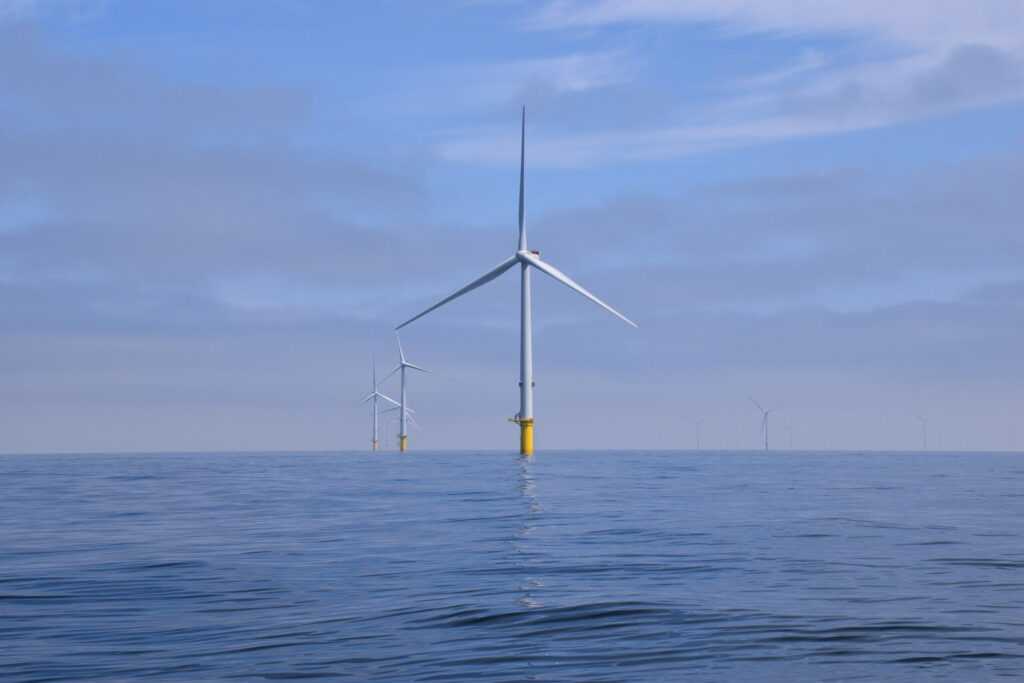
As offshore wind farms expand across the Dutch North Sea, this report asks a critical question: can clean energy growth happen without sacrificing seabird populations?Read more
-
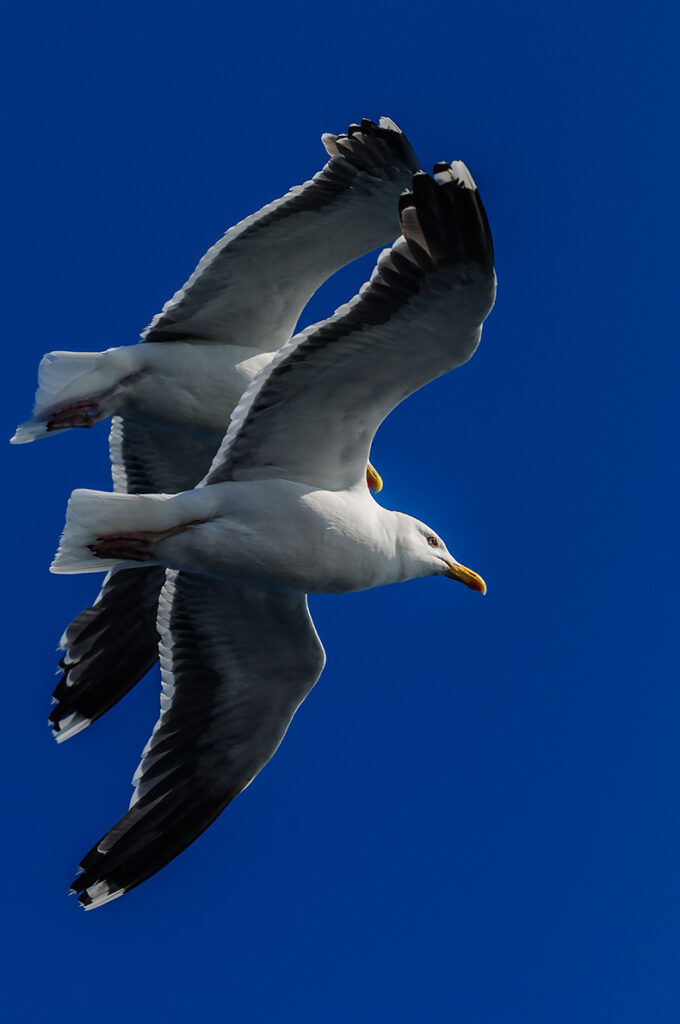
40 rooftop “nest hubs” were placed in Vlissingen to create safe, scalable breeding habitat for declining gull species. The project’s strong adoption rates and clear design insights show how practical nature‑inclusive solutions can restore ecological space in an increasingly industrialized North Sea.Read the monitoring results (Dutch)
-
This report maps where and how nature‑strengthening measures can realistically be permitted on the Dutch North Sea, combining policy frameworks, ecological conditions, and spatial constraints into a clear, actionable search space. By showing which areas offer real potential for interventions, it gives initiators a practical foundation for designing projects that genuinely contribute to a healthier, more resilient North Sea ecosystem.Read more