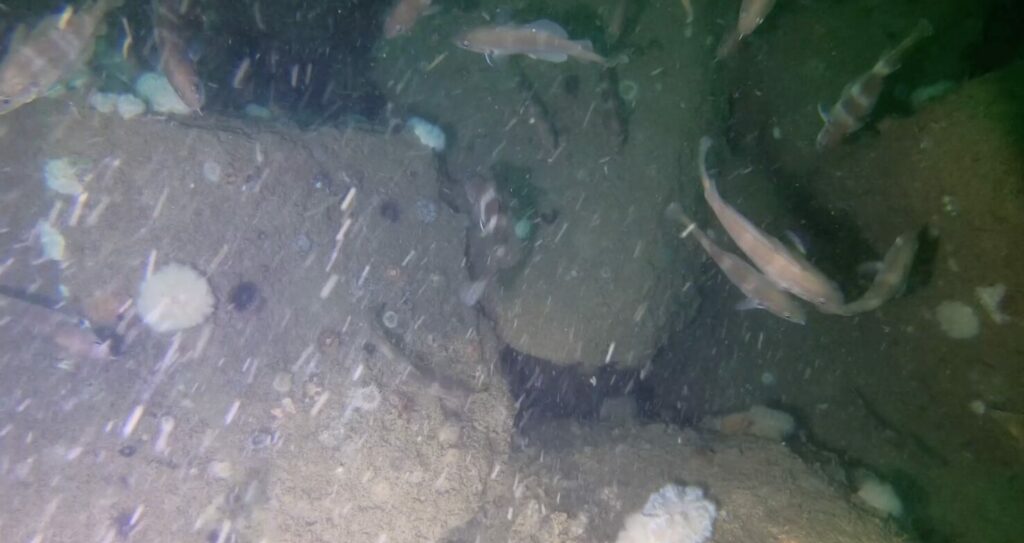
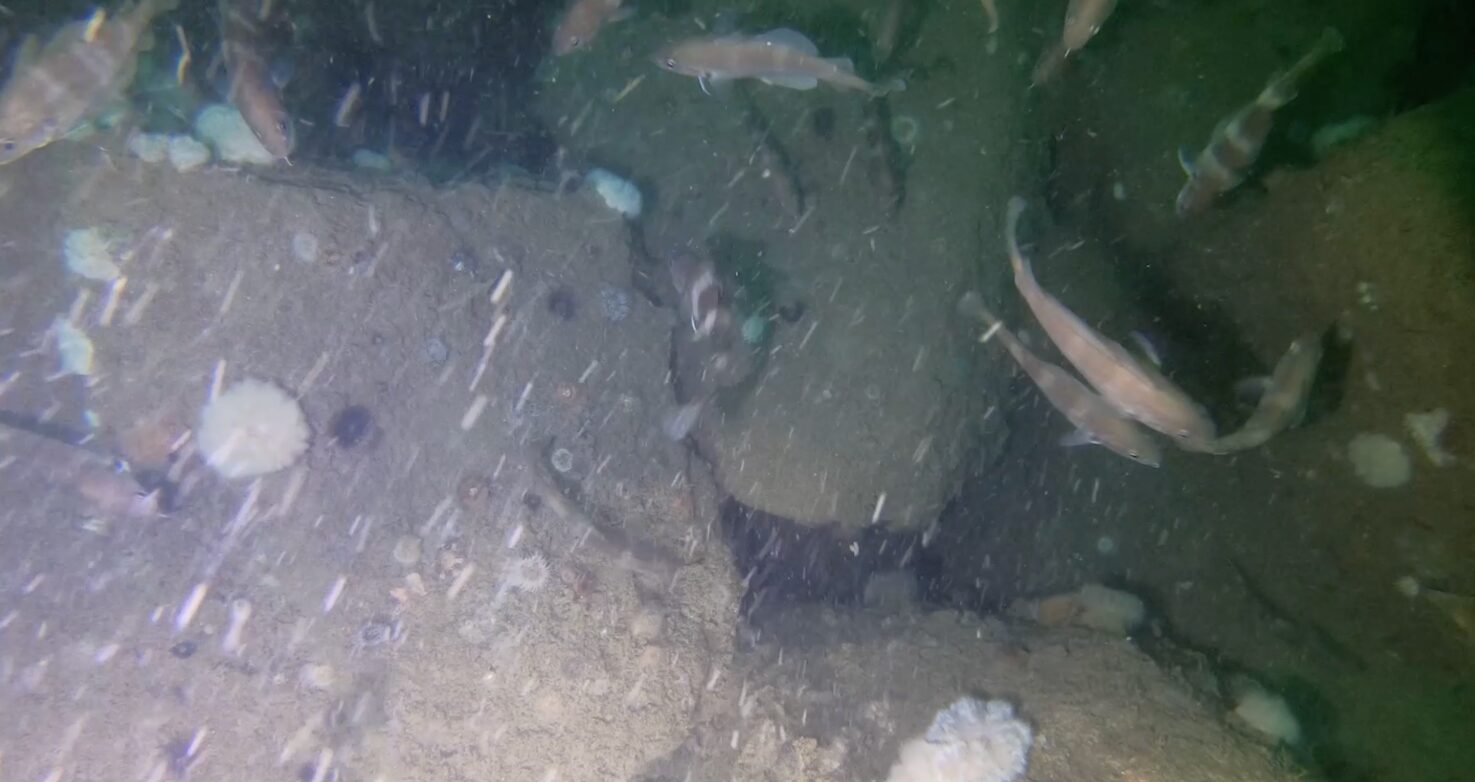
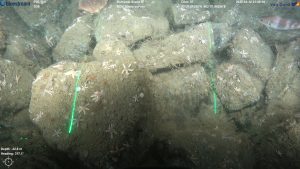
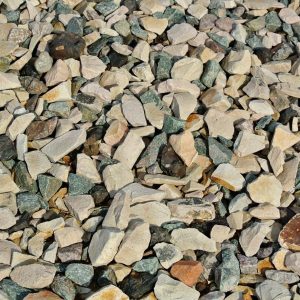
Nine artificial rock reefs were deployed using large rocks with a grading of 700–1000 kg and a D50 of approximately 80 cm—significantly larger than the conventional scour protection rocks, which typically range between 10-60 and 100–200 kg. Each reef has an approximate diameter of 8 meters and a height between 1.5 and 2 meters.
The installation process followed a three-layer sequence:
- Filter layer made of gravel,
- Armor layer consisting of conventional scour protection, and
- Rock reef layer placed on top using the larger boulders.
To avoid interference with turbine operations and existing infrastructure, the reefs were positioned at least 10 meters from both the turbine foundations and the cables at the base of the scour protection layer.
Ecological monitoring
The rock reefs are being monitored through two coordinated campaigns to assess their ecological effectiveness. These efforts aim to provide empirical data on how such structures contribute to biodiversity enhancement, particularly for key species like Atlantic cod, and to evaluate their potential as scalable NID elements in offshore wind developments:
- KOBINE Project (Wageningen Marine Research): This program focused on quantifying biodiversity gains—using metrics such as species richness and species abundance—while also assessing the cost-effectiveness of the rock reef design. Wageningen Marine Research used Remotely Operated Vehicles (ROVs) to collect visual data about the reefs, measuring species richness (number of unique species per substrate type) and species abundance (number of individuals per 100 m²). The project resulted in a cost-benefit modeling tool to inform future nature-inclusive interventions.
- Waardenburg Ecology (NID Monitoring Plan at HKZ): As part of the broader NID monitoring strategy, Waardenburg Ecology investigated the ecological functions provided by the reefs, such as shelter and feeding grounds. Their monitoring approach combines eDNA sampling and baited devices. These methods are used to assess relative abundance through species richness and the maximum number of individuals of a species observed in a single video frame.