RESO - REmote Setting flat Oyster

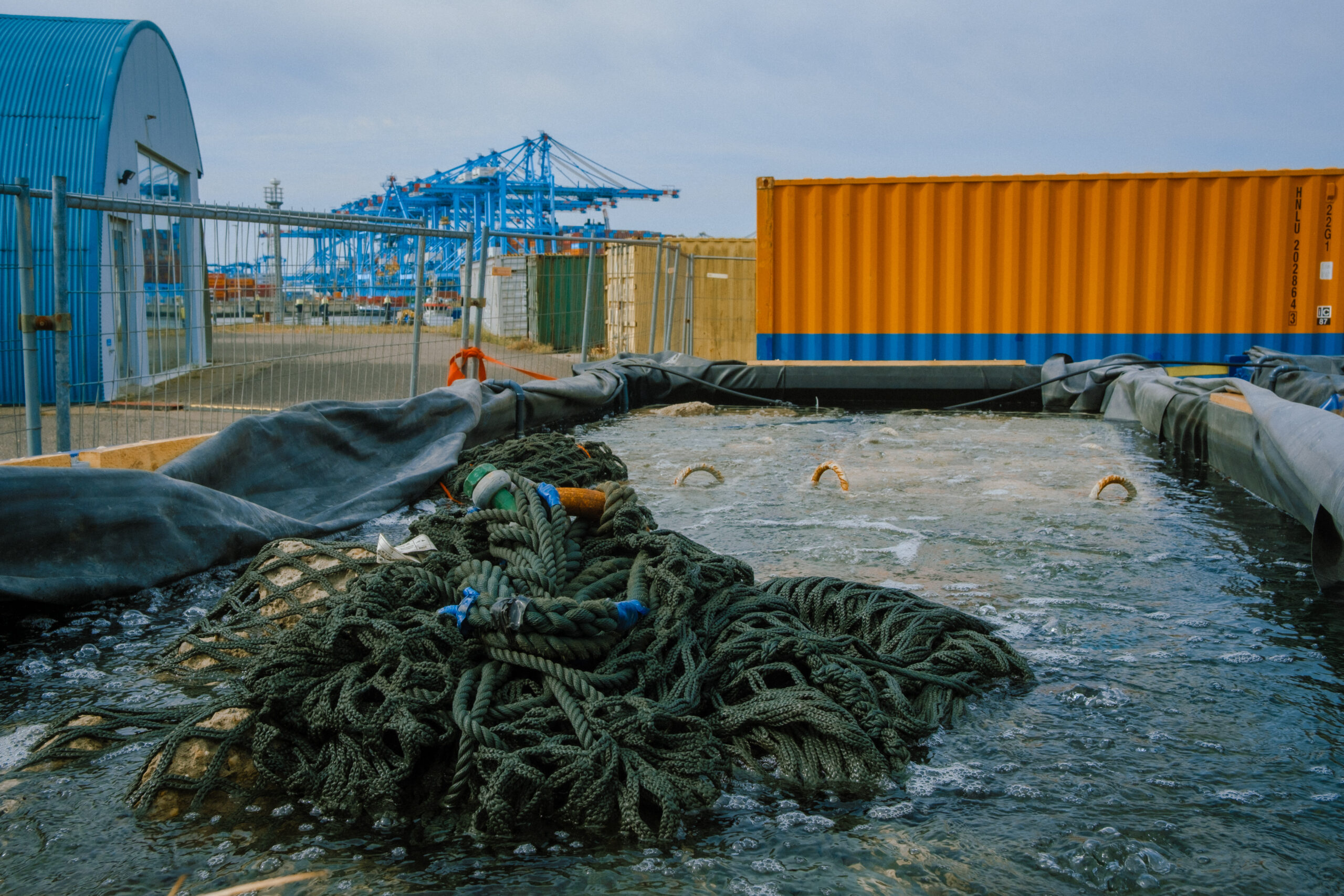
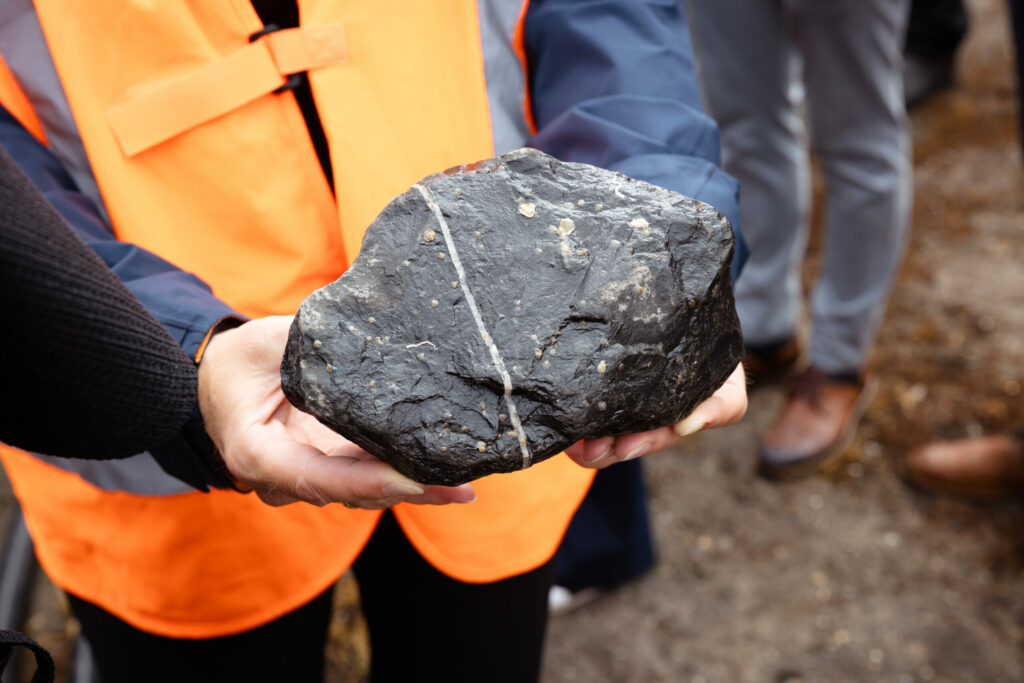
RESO (REmote Setting flat Oyster) focuses on the restoration of European flat oyster (Ostrea edulis) reefs by testing an innovative, scalable technique called remote setting. Instead of transporting adult oysters or spat-on-shell offshore, hatchery-produced larvae are settled on natural stone substrates in containers filled with seawater close to the deployment site. Within a few days, the larvae attach, and the stones can be placed directly in the sea. 

The project will trial this method in Rotterdam Harbour (2025) and on a TenneT cable crossing in the North Sea (2026). Monitoring in 2027 will assess survival and reef development. A unique feature is the use of reef soundscapes: underwater recordings of healthy oyster reefs are played back in the containers to test whether sound can stimulate larval settlement. By combining hatchery innovation, field deployment, and acoustic enrichment, RESO aims to deliver a cost-effective and scalable method for large-scale reef restoration. 

Photo by Noes Petiet.

2025-2027

Project dates

Port of Rotterdam, Offshore cable crossing North Sea

Location

Stichting Zeeschelp, ARK Rewilding, Van Oord, The Rich North Sea, Wageningen University & Research, Havenbedrijf Rotterdam, TenneT, Waardenburg Ecology

Project lead and partners

European flat oysters, reef species

Target species

  • Scour and cable protection

Methods

The RESO project is structured over three consecutive years (2025–2027): 


Deployment 1 (2025): Harbour trial, Rotterdam 

A series of watertight settlement containers were placed at a sheltered quay in Rotterdam. Each container was filled with hard substrate commonly used in the North Sea and filtered harbour water. Competent flat oyster larvae (4–8 million per batch), produced by Stichting Zeeschelp, were introduced into the containers. Some containers were exposed to underwater reproduction of reef soundscapes, while others served as controls with sand-bottom recordings. These sound treatments were calibrated to match natural acoustic conditions using hydrophones. The larvae settled on the substrate within a few days. Once settlement is complete, the substrate was prepared for nearshore development in the Rotterdam harbour.  


Deployment 2 (2026): Offshore trial, TenneT cable crossing 

In 2026, the remote setting experiment will take place at a location yet to be determined, after which the stones with settled spat will be deployed at a TenneT cable crossing. This trial will help assess the impact of environmental conditions such as current velocity, sedimentation, and wave exposure on the survival and growth of the young oysters. 


Monitoring and validation (2025-2027) 

Monitoring began in 2025 with a baseline survey (T0) before stone placement in the harbour. Follow-up harbour monitoring (T1 and T2) will take place in 2026, along with a T0 for the TenneT site, followed by T1 monitoring there in 2027. Underwater drop cameras are used between July and September to study oyster settlement and reef development, with additional observations when conditions allow. Consistent camera positions and environmental data support comparison over time. 

Results

The project is expected to deliver key insights such as: 

  • Settlement efficiency: Demonstrate that flat oyster larvae can reliably settle on hard substrate in container-based remote-setting conditions, with or without reef sound exposure. 
  • Sound impact: Evaluate whether acoustic enrichment (reef sound playback) increases settlement success compared to control conditions. 
  • Field performance: Assess survival and stability of substrate with spat in both sheltered (harbour) and exposed (offshore) settings. 
  • Operational protocol: Develop a cost-effective and standardized workflow for larval transport, container setup, substrate deployment, and monitoring. 
  • Scalability potential: Identify practical design choices (e.g. substrate type, water flow, sound calibration) that support broader application in offshore infrastructure projects. 

Tips and tricks

Lessons from previous pilot studies and early RESO planning offer useful starting points. Project is still in the pipeline so more tips and tricks might be added later: 

  • Substrate preparation: Soak stones in local seawater for at least 24 hours to rinse off dust, sediments, and organic buildup. This helps larvae attach more easily. 
  • Sound calibration: Use test runs to ensure the underwater sound levels in each container match real reef conditions. Position hydrophones to verify the soundscape before introducing larvae. 
  • Timing of larval release: Plan deployments to overlap with peak settlement periods in late spring or early summer, when water temperatures and food availability support optimal development. 
  • Coordination with infrastructure partners: Work closely with harbour and offshore operators to align schedules for crane use, vessel availability, and site access. This helps avoid delays that could reduce larval viability. 
  • Consistent monitoring setup: Place drop-cams in the same position and depth across deployments to capture comparable video footage.  
  • Adaptive learning: Schedule regular meetings between project partners to share experiences, adjust techniques, and improve outcomes step by step, for example by refining container setup, adjusting substrate selection, or testing alternative handling methods. 

Remote Setting – Restoring Flat Oyster Reefs in the North Sea

video about the RESO project

Restoring oyster reefs with remote setting

Learn more about the RESO project via this video!

Photo by Lex Bezemer.

Partners

Let's talk

Would you like to get involved in nature enhancement or do you want to connect with our ecologists? Send us an e-mail.

toolbox@derijkenoordzee.nl