North Sea Ecosystem Analysis (Scientific Study)

This project provides an ecosystem analysis of the Dutch North Sea, forming a scientific foundation for the Nature Regeneration North Sea (NN) programme. The study identifies key ecological functions, species groups, pressures, and opportunities for active nature restoration.


By combining existing data and expert knowledge, the analysis supports NN in identifying and prioritising measures that can help reverse biodiversity decline and strengthen marine ecosystems.

Objective 

  • * Map the current ecological state of the Dutch North Sea across species groups and habitats.
  • * Identify promising nature‑enhancing measures and natural assets that can support ecosystem recovery.
  • * Provide a clear, ecosystem‑wide basis for designing and prioritising NN restoration projects, helping to determine where and how measures can have the most impact.

 

Programme: Natuurversterking Noordzee (NN)
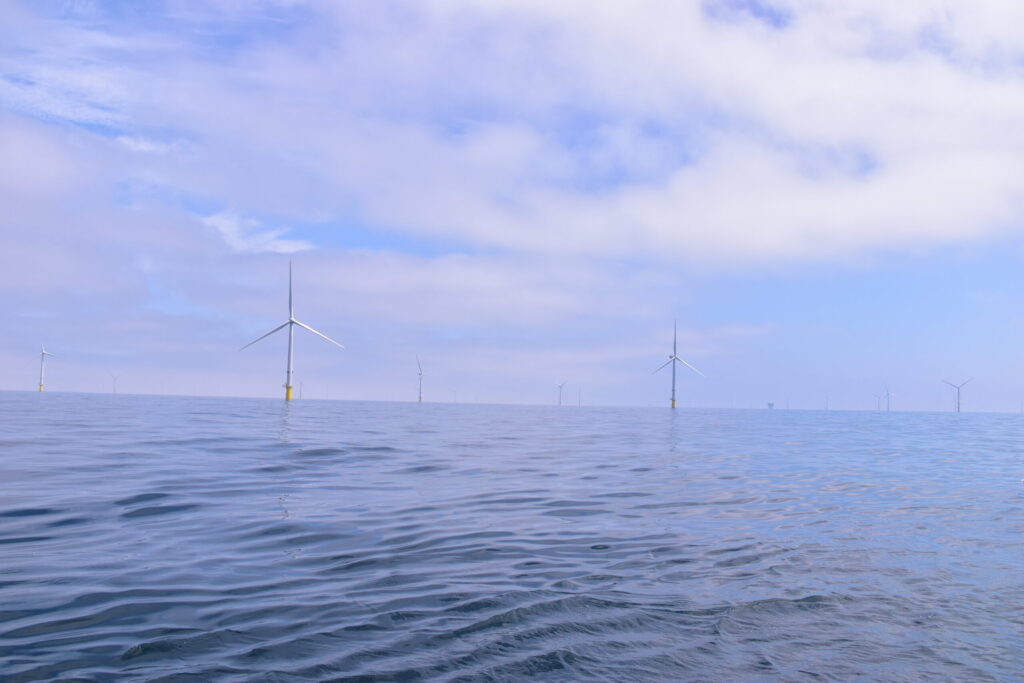
Image credit: De Rijke Noordzee
2024 – 2025

Project dates

Dutch Exclusive Economic Zone (EEZ), including coastal zone and offshore wind farm areas

Location

Wageningen Marine Research (WMR), Deltares, Ministry of Agriculture, Fisheries, Food Security and Nature (LVVN), Nature Regeneration North Sea (NN)

Project lead and partners

Plankton, seaweed, cephalopods, benthic invertebrates, fish, seabirds, marine mammals, and biogenic reef‑forming species (e.g., oysters).

Target species

Methods

This project applied an ecosystem-based analysis of the Dutch North Sea, using existing scientific literature, monitoring data, and expert knowledge. The study was carried out as a desk-based analysis, synthesising available information rather than collecting new field data. Key sources included international assessments such as the OSPAR Quality Status Report, national monitoring programmes, and species protection plans.


The analysis was structured around ecosystem components, covering the full marine food web from habitats and plankton to fish, seabirds, and marine mammals. For each component, the current ecological status, trends, pressures, and policy context were assessed. This structure helped to identify where restoration is needed and which measures are most relevant within the scope of the Nature Regeneration North Sea (NN) programme.


For each ecosystem component, an action-oriented assessment was carried out to determine potential restoration measures and their feasibility. This included evaluating ecological conditions, identifying knowledge gaps, and assessing whether restoration should be direct or indirect. To support this process, a Restoration Readiness Level (RRL) framework was developed, providing a structured way to assess the maturity of restoration measures—from early research stages to large-scale implementation.


The results of the analysis were synthesised into a set of practical action perspectives for the NN programme. These provide guidance on where restoration efforts can have the greatest ecological impact, and what steps are needed to move from knowledge development to implementation.  

Results

The ecosystem analysis identifies where and how nature restoration can be most effective in the Dutch North Sea. For each ecosystem component, the study provides an overview of ecological roles, current pressures, and potential restoration opportunities, together with suitable measures such as reef restoration, benthic recovery, and nature‑inclusive offshore infrastructure.


The results show that active restoration is required in addition to existing protection measures in order to reverse biodiversity decline (“bending the curve”). Restoration efforts should therefore focus not only on reducing pressures, but also on actively rebuilding habitats and strengthening ecological functions.


A key outcome of the study is a prioritisation framework for the Nature Regeneration North Sea (NN) programme, supporting the selection and development of effective restoration projects.


Download full report 


Related article 

Tips & Tricks

  • Applying an ecosystem-wide analysis helps avoid fragmented, species-by-species interventions and supports more effective restoration strategies.
  • Linking restoration measures to existing policy frameworks (e.g. MSFD, Natura 2000) can significantly accelerate implementation and increase feasibility.
  • Early involvement of stakeholders—including government, NGOs, scientists, and industry—improves project design, acceptance, and scalability.
  • Combining measures across multiple species groups and habitats can lead to stronger ecosystem-wide impacts than single-species approaches.
  • Using the ecosystem analysis as a design tool helps guide project development by identifying which species groups benefit, which ecological functions are strengthened, and how measures interact with other North Sea activities such as wind energy and fisheries.
  • For desk-based projects, no permits are required, allowing for rapid development and iteration of knowledge products.

Let's talk

Would you like to get involved in nature enhancement or do you want to connect with our ecologists? Send us an e-mail.

josien.steenbergen@natuurversterkingnoordzee.nl