Cod Tagging in Borssele I/II

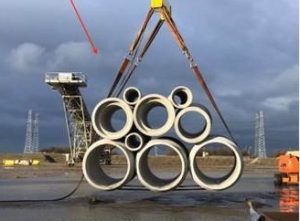
This project studies artificial reef designs, and the behaviour of Atlantic cod in this environment. Findings from this project will inform the costs and benefits of artificial reefs in offshore wind farms (OWFs). At four locations around one wind turbine within the Borssele I & II wind farm, concrete pipes were placed as artificial reefs. Two of the four sites have their own scour protection.

In 2021 and 2021, scientists from Wageningen Marine Research used acoustic tags to study the behaviour of cod around these reefs. By studying the behavior of species that inhabit OWFs, we can better understand how these habitats are used (e.g. foraging preferences) and developed.

2021-2023

Project dates

Borssele I/II OWF (NL)

Location

The Rich North Sea, Ørsted, Wageningen Marine Research

Project lead and partners

Atlantic cod and artificial reef habitat

Target species

Methods

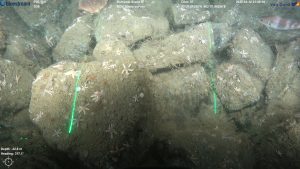
The project uses pipe reefs (piles of concrete pipes of different sizes) and granite rock scour protection. Acoustic telemetry tracked Atlantic cod movement around the monopile and artificial reefs using a grid of acoustic receivers, paired with cod tagged with sensors transmitting pressure and acceleration data.


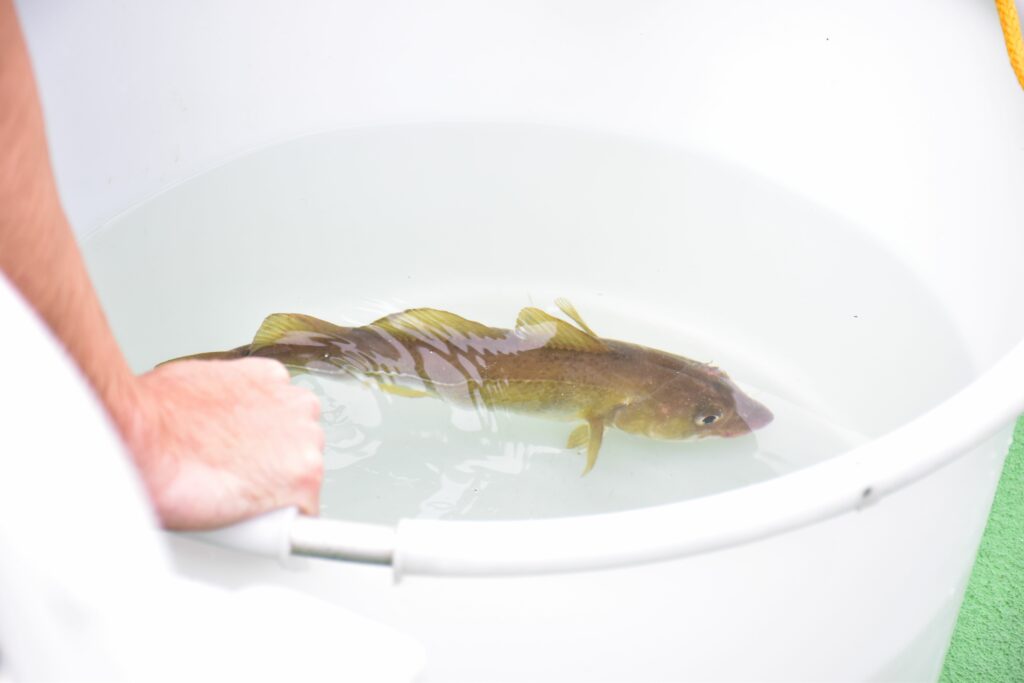
The receivers were mounted on custom frames, each atop a 1.5 m stainless steel tripod. Sixteen sets were deployed for fine-scale positioning at the four artificial reefs and around the monopile. Despite some losses of acoustic receivers, the grid enabled fine temporal resolution tracking across the entire study. Cod were caught, tagged, and released in two batches: 45 cod in July 2021, and 19 in May 2022.

Results

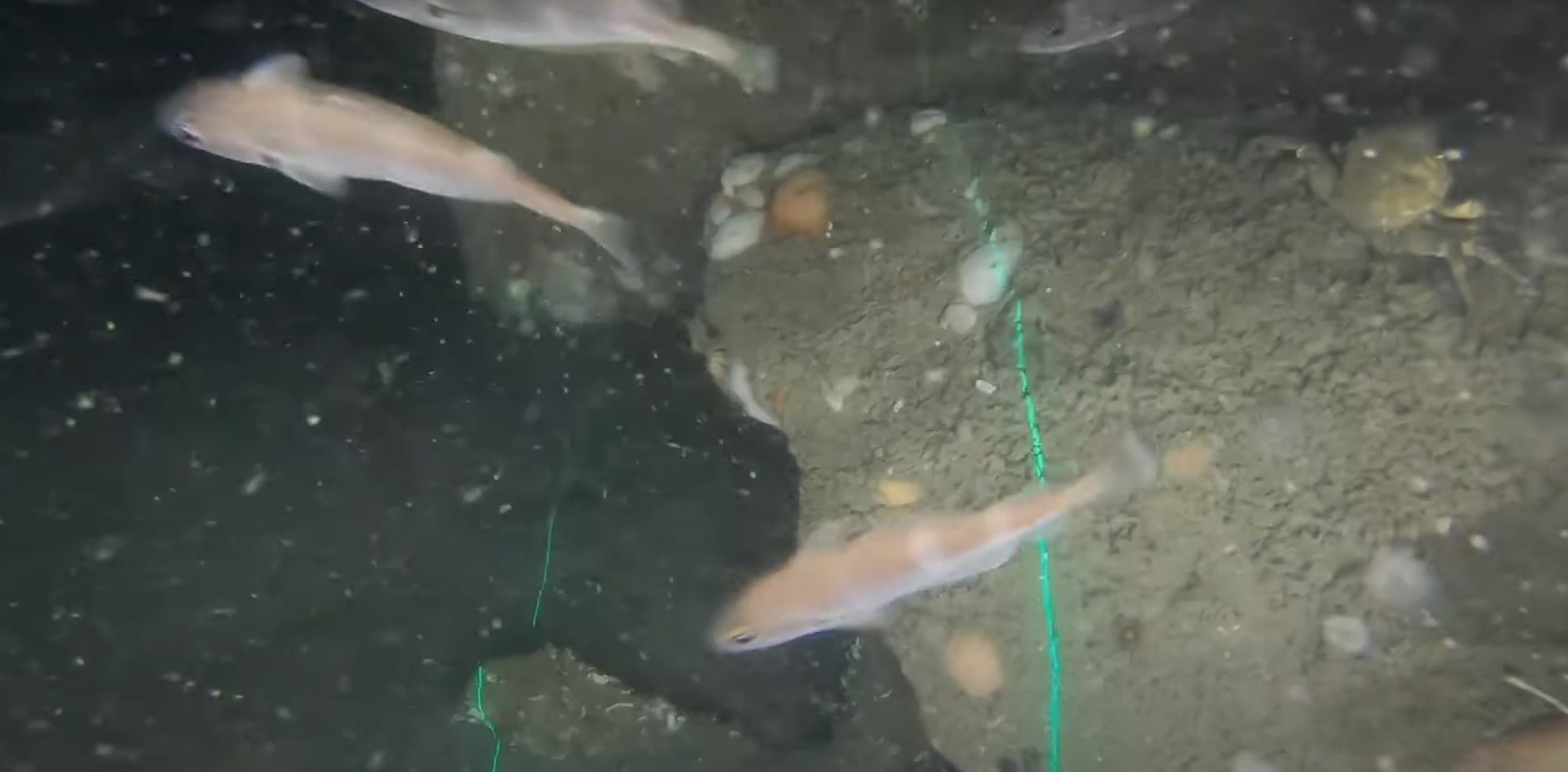
This study examines how Atlantic cod use four artificial reefs in an offshore wind farm (OWF). Using acoustic telemetry, researchers tracked cod behavior and movement around the reefs with fine temporal and spatial resolution. The study found that the reefs were particularly attractive to cod, who remained near them for long periods, often hiding within the structure. Although two reefs had additional scour protection, this did not noticeably affect cod behavior. If hard substrate is important for Atlantic cod population growth in the Southern North Sea, these concrete pipe reefs could help expand this habitat, complementing the limited space offered by OWF structures.

Tips and Tricks

  • Six (of the sixteen) acoustic receivers were lost during the project. This did not affect the analysis or results of the study, but it counted as a large part of the total receivers and a substantial financial loss.
  • Since equipment cannot be moored in the OWF, each acoustic receiver was placed on the seabed without surface markers. Frames were recovered using acoustic releases embedded in each unit.
  • Losses were likely due to depleted receiver batteries or barnacle buildup, which interfered with the release of recovery buoys.
  • Equipment was serviced every 9-12 months, but future studies should aim for more frequent servicing, such as every 6 months.
  • Tagging the animals was challenging because it required optimal weather and low current conditions.
  • Balancing the need for optimal conditions with a stringent vessel schedule was successful, but also challenging.

Finding reefs below the surface

A first look at pipe reefs

Take a look at the pipe reefs underwater. Thanks to an underwater drone or remotely operated vehicle (ROV), video footage can be made to study the reefs under the sea surface.

Partners

Products used on this project

Cod Pipe Reef

Cod pipe reefs are made of various sizes of concrete pipes piled together. The individual pipes offer settlement surfaces and shelter, but the stacked pipes offer more shelter with added cervices.

Stand-alone structures

Boulders

Boulders are large pieces of natural stone which vary in weight and size (>25 cm in diameter). Marble, granite, and other types can be used to create crevices and shelters that become havens for marine life.

Stand-alone structures Scour and cable protection

Let's talk

Would you like to get involved in nature enhancement or do you want to connect with our ecologists? Send us an e-mail.

toolbox@derijkenoordzee.nl