Mitigation

Mitigating negative effects

Minimizing our impact

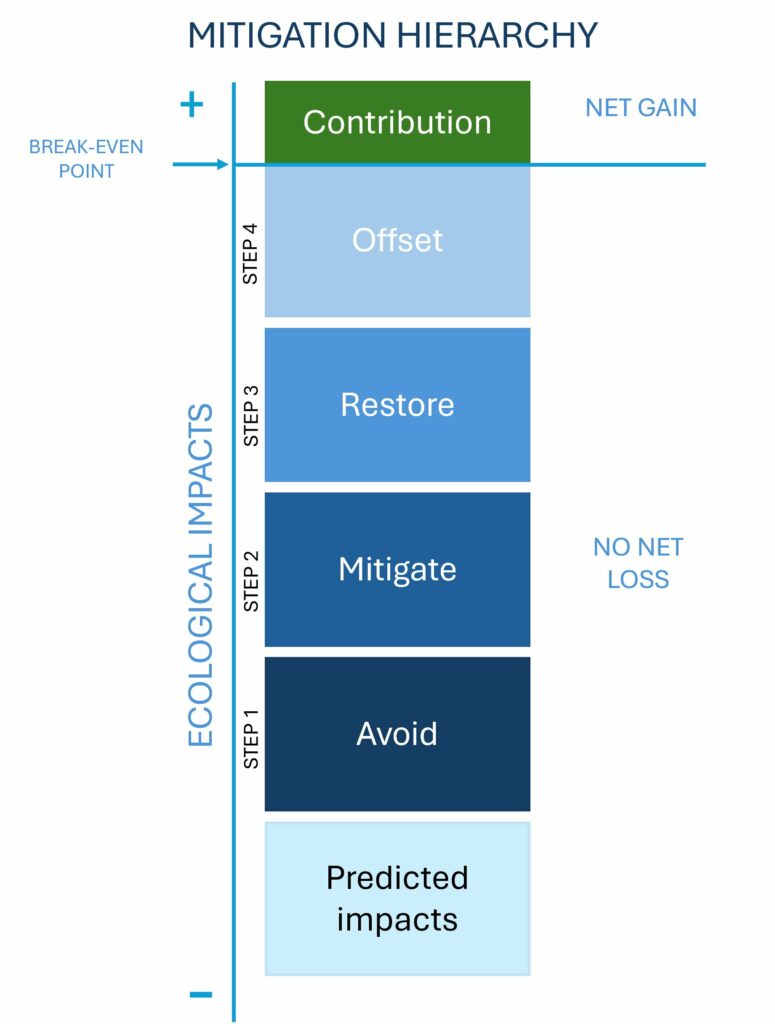
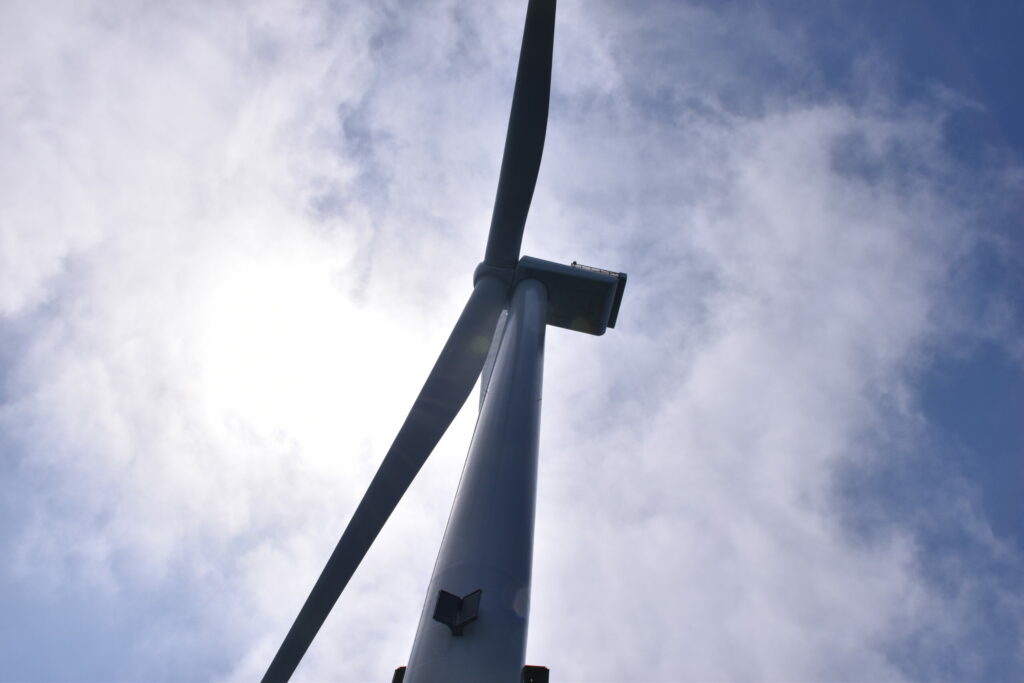
Mitigation focuses on reducing or preventing negative impacts on marine species and ecosystems. In this project, we apply the first steps of the mitigation hierarchy — avoid and minimise — as the later steps (restore and offset) are more closely related to nature-inclusive design. On this page, you will find targeted mitigation measures organised per species group, such as actions to reduce bird collision risk (e.g., painting a rotor blade black) or minimise disturbance to marine mammals and fish.

For broader reference and additional examples, the OCEaN mitigation database provides further insight into strategies that help limit environmental impacts on offshore ecosystems.

Click the link to learn more: https://offshore-coalition.eu/mitigation-measures/


Where offshore renewables meet marine life

Nature-inclusive offshore energy

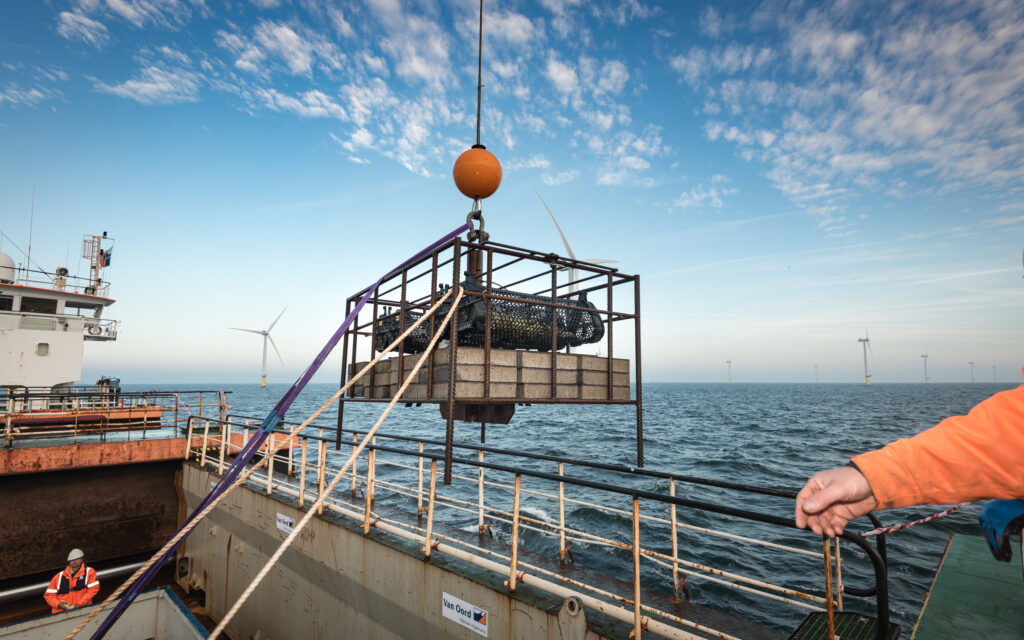
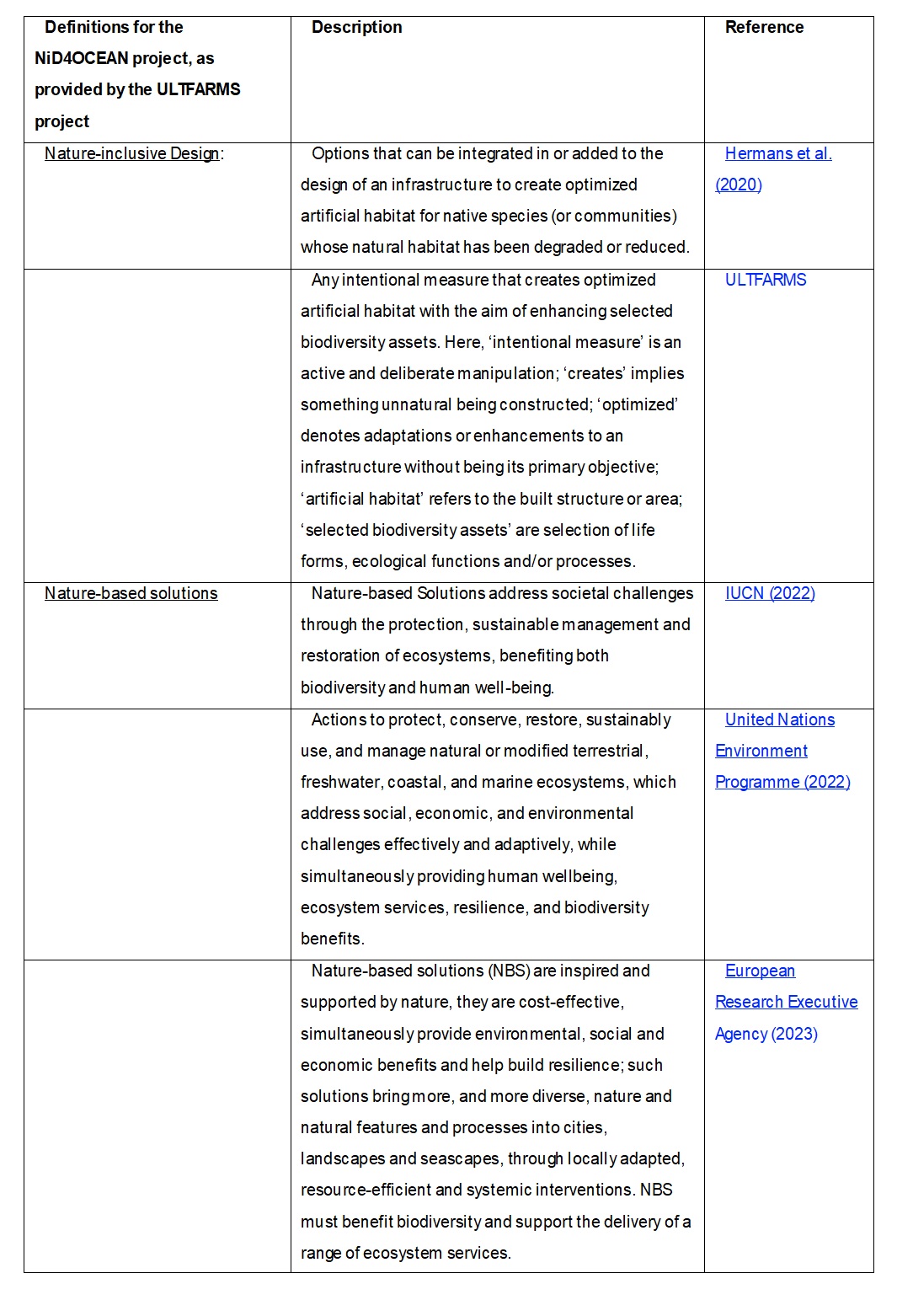
The NiD4OCEAN project brings offshore renewable development and marine nature protection together. It builds a strong knowledge base for nature-inclusive design (NiD) by mapping existing solutions and developing new concepts for offshore energy infrastructure across European seas. The project also creates tools to explore both the benefits and risks of these designs — assessing their effects on marine ecosystems, local economies and coastal communities at different stages of development. A consortium of 13 European partners combines academic, environmental and industrial expertise to provide practical guidelines for selecting, implementing and monitoring NiDs, tailored to specific regions, technologies and habitats. Engagement and communication strategies help increase awareness and support adoption in industry and policy. By integrating nature-inclusive design from the start, NiD4OCEAN ensures that offshore wind sites are not only low-carbon energy producers, but also places where marine life can thrive and recover.


Visit the website here: https://nid4ocean.eu/


Making waves without making noise

Marine mammals

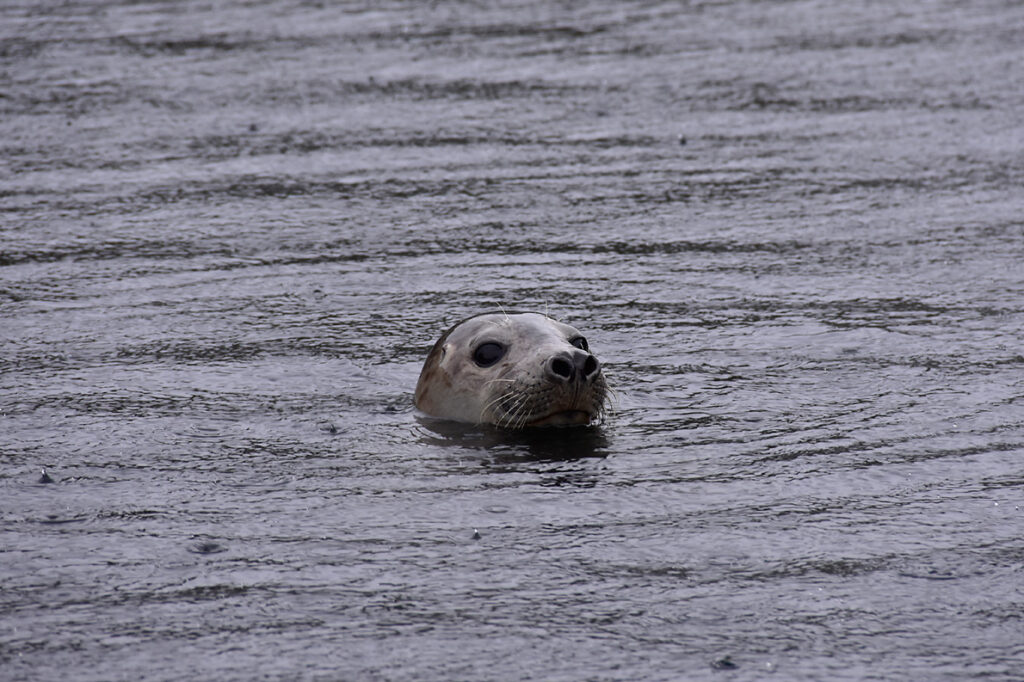
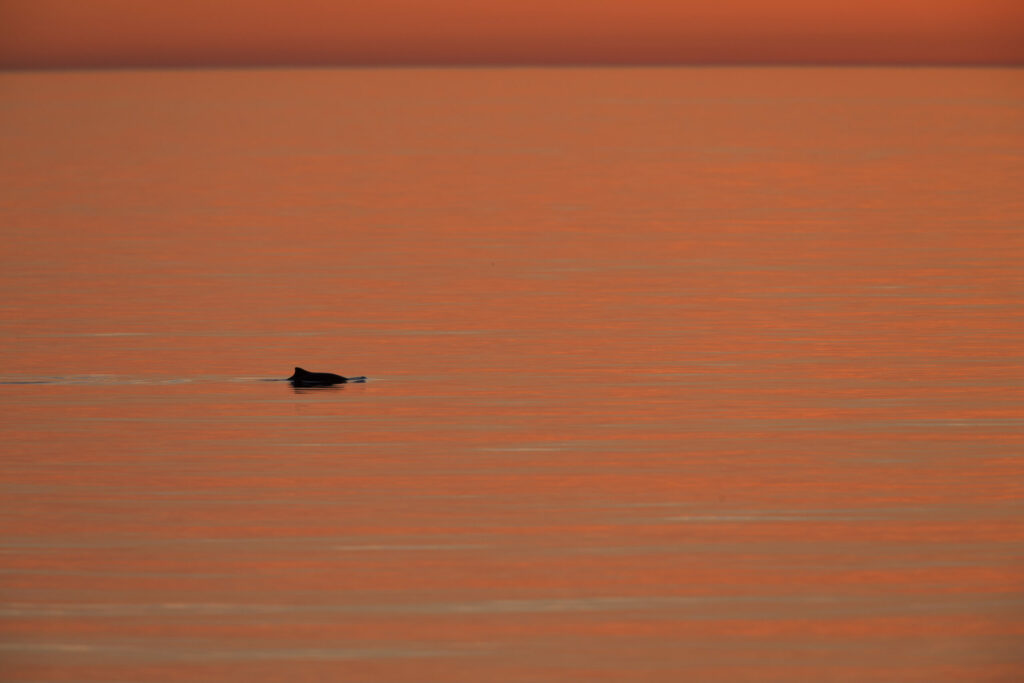
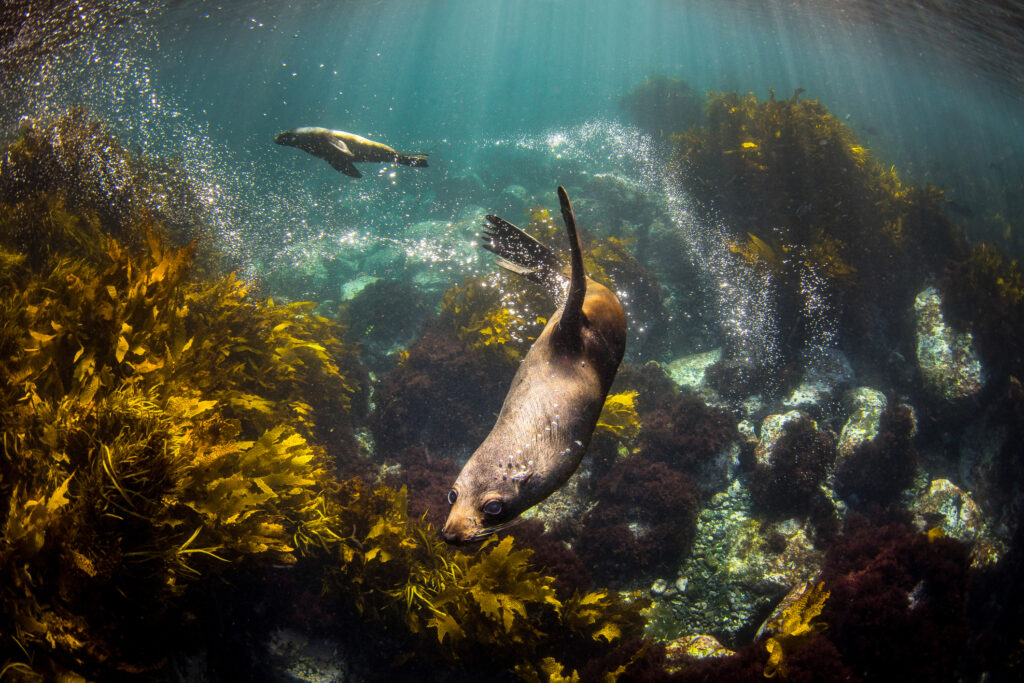
Marine mammals depend on sound for communication, hunting and navigation, which makes them especially sensitive to noise from construction and vessel operations. Offshore wind farms can affect their movement and behaviour if noise is not managed properly. Species such as harbour porpoises, dolphins and seals often forage or travel through these same waters, so understanding when and where they occur is essential. With careful planning and monitoring, offshore wind development can avoid key habitats and reduce acoustic disturbance so marine mammals can continue to thrive.

Noise-neutral navigation near nature

Mitigation for marine mammals

Mitigation for marine mammals focuses on reducing underwater noise and allowing safe movement around offshore construction. During piling, soft-start techniques, bubble curtains and real-time exclusion zones prevent harmful disturbance by reducing peak noise and allowing animals time to move away. Careful scheduling helps avoid sensitive breeding or migration periods, while operational noise and disturbance are lowered by limiting vessel trips and transit speeds. These measures help keep offshore waters safer and more accessible to species that rely on sound to survive.

Quieting the path to cleaner energy

In several offshore wind projects in the North Sea, piling operations are monitored live using acoustic sensors and trained observers. When marine mammals enter exclusion zones, work is paused until they safely move away. Soft-start procedures have been shown to reduce disturbance by warning animals before noise reaches its highest levels. Monitoring confirms that these practices allow continued offshore construction while helping maintain healthy behaviour patterns in harbour porpoises and seals. The OCEaN mitigation database offers valuable insights into key measures to avoid and minimise potential environmental impacts on marine ecosystems. Click the link on the right to learn more.
Where wings meet windfarms

Birds and bats

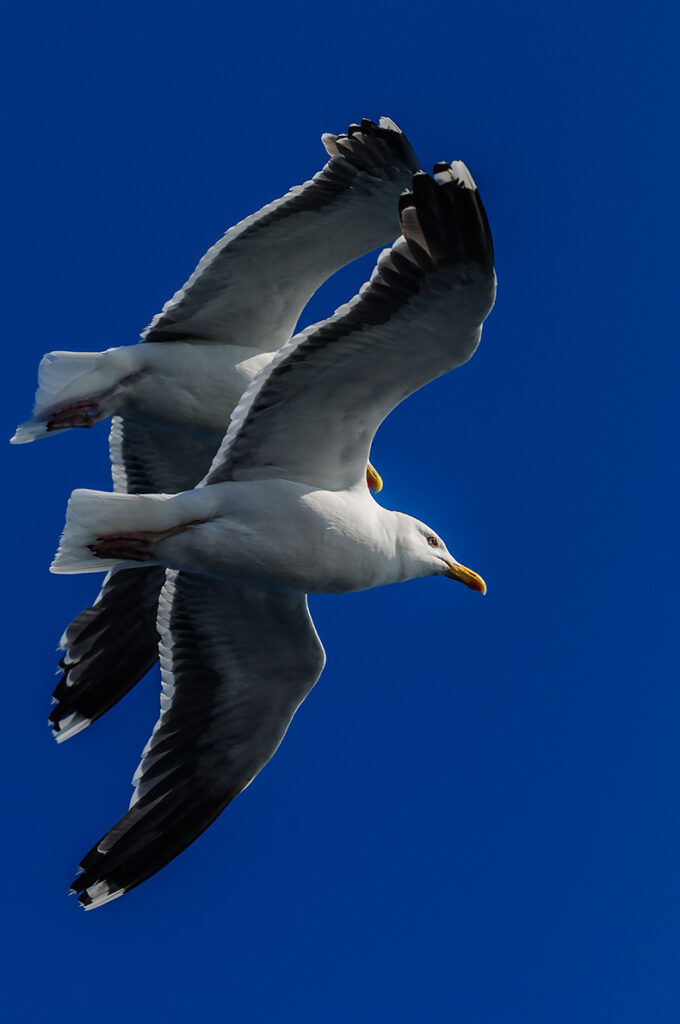
Birds and bats rely on offshore areas as feeding grounds and essential migration routes, travelling thousands of kilometres across seas each year. Offshore wind farms can influence these movements by introducing new structures into the airspace, sometimes creating collision risks or displacement, particularly near major migration corridors or close to important breeding or resting sites. Understanding flight behaviour, seasonal patterns and species sensitivity helps ensure offshore wind remains compatible with wildlife needs. With smart planning and monitoring, turbines can share the skies responsibly with the species that depend on them.

Where wildlife flies - not dies

Mitigation for birds and bats

Mitigation for birds and bats focuses on avoiding collision risk and preventing attraction to wind turbines. This includes adapting lighting to reduce nighttime draw, aligning turbines with dominant migration directions to prevent barrier effects and using real-time detection systems that temporarily stop turbines during peak migration activity or severe weather. Visual or acoustic deterrents can further discourage birds and bats from approaching dangerous areas. By combining strategic siting, seasonal awareness and smart technology, offshore wind farms can operate with far lower risk to airborne wildlife.

What works for wings

In North Sea wind farms, operational curtailment during high migration activity has proven effective in reducing collision risks without major energy loss. When radar detects large flocks approaching or visibility drops sharply, turbines are briefly paused and restarted once flight activity passes. Lighting has also been optimised to reduce attraction at night, while still meeting safety standards. Monitoring shows these combined measures support safer passage through offshore areas heavily used by migratory birds. The OCEaN mitigation database offers valuable insights into key measures to avoid and minimise potential environmental impacts on marine ecosystems. Click the link on the right to learn more.
Schools schooling safely

Fish and elasmobranchs

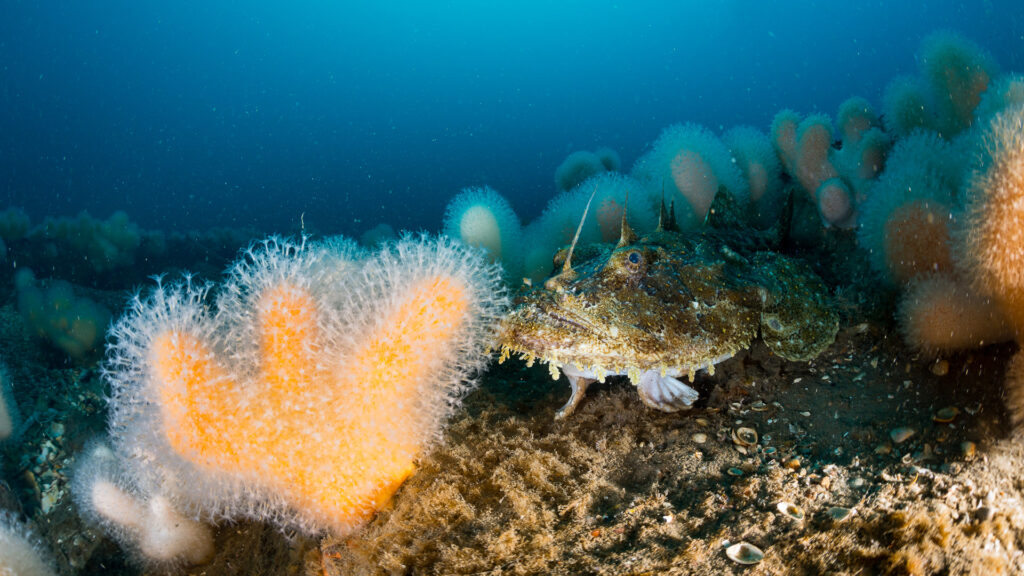
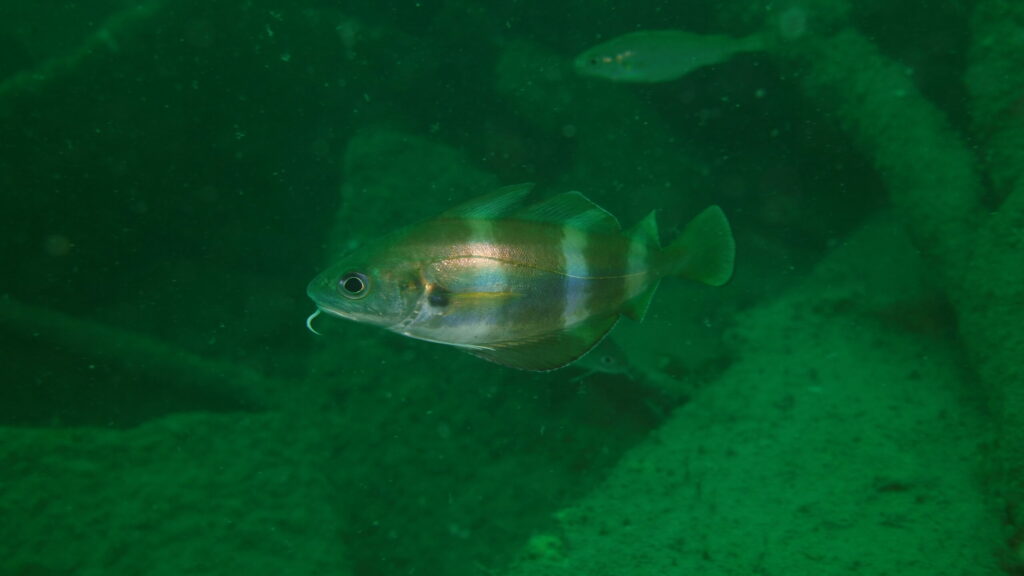
Fish and elasmobranchs, including sharks and rays, rely on a range of seafloor and water column habitats for spawning, feeding and shelter. Offshore wind farms can alter these habitats through noise, seabed disturbance and changes in currents or prey availability. Some species may even be attracted to new structures, while others avoid them. Understanding these different responses is key to designing and operating offshore infrastructure in ways that support healthy populations and important life stages.

Careful cables and calm currents

Mitigation for fish and elasmobranchs

Mitigation focuses on avoiding disruption to spawning and feeding habitats and reducing noise and seabed disturbance. This includes careful cable routing and burial depth choices, especially in sensitive nursery zones, and using inert materials where cable protection is needed to prevent contamination. Construction can also be timed around spawning seasons to reduce stress on vulnerable life stages. By combining habitat sensitivity with monitoring, wind farms can support long-term ecosystem resilience.

Fish-friendly futures in floating farms

Across operational wind farms, the use of inert cable protection materials has helped avoid chemical disturbance of fish habitats. Monitoring has shown compliance with environmental standards and stable seabed conditions. Optimised cabling layouts have also reduced the footprint of disturbance. As maintenance vessel trips are streamlined, the resulting decrease in noise and sediment resuspension supports healthier foraging conditions for fish species near foundations. The OCEaN mitigation database offers valuable insights into key measures to avoid and minimise potential environmental impacts on marine ecosystems. Click the link on the right to learn more.
Meet the creatures below the turbines

Benthic organisms

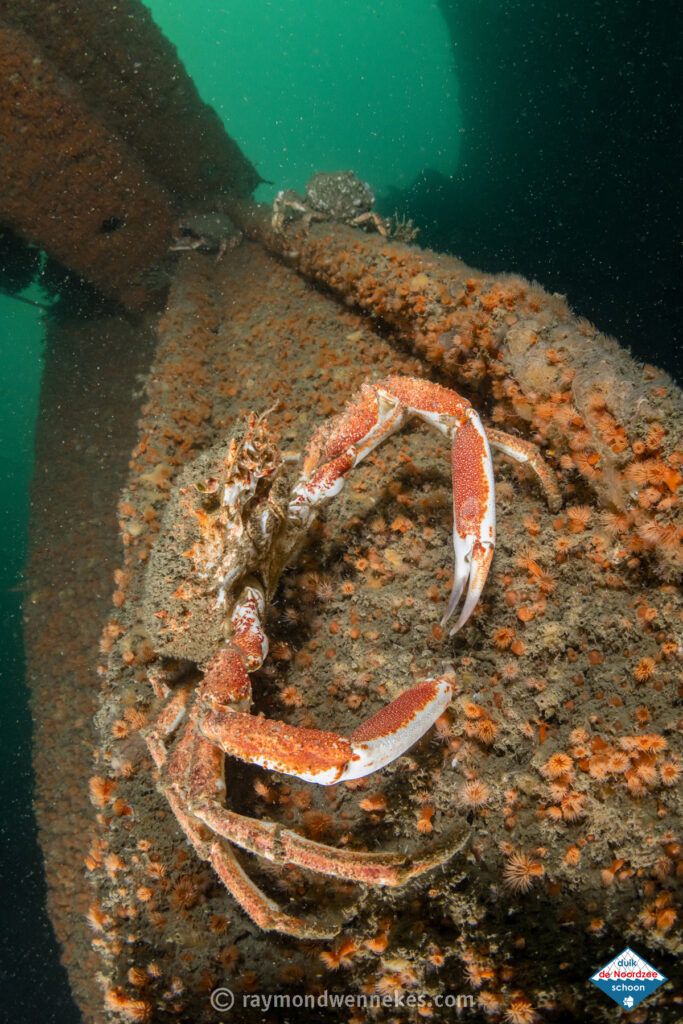
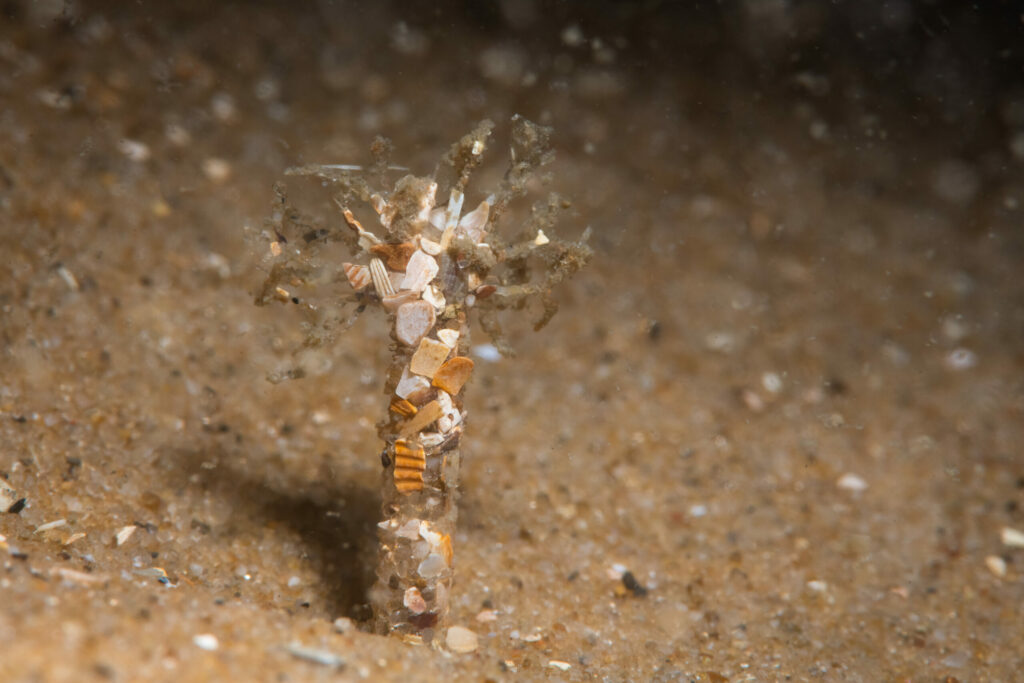
Benthic organisms such as worms, crustaceans, molluscs and seagrasses live on or within the seabed, forming the foundation of offshore ecosystem health. They stabilize sediments, recycle nutrients and provide essential food for fish and other marine life. Offshore wind development can alter their habitats through seabed disturbance, sediment movement and shading. Understanding which species are present, how they use the seafloor and how quickly they recover helps guide smarter decisions around placement and construction methods. By considering these species early in the planning process, offshore infrastructure can be designed and operated in ways that preserve, and sometimes even enhance, life on the ocean floor.

Keeping the bottom from hitting rock bottom

Mitigation for benthic organisms

Mitigation for benthic habitats focuses on reducing direct seabed disruption during planning, installation and operation. Strategic cable routing and optimal placement of converter stations help minimize the area of seafloor that requires intervention. When cable protection is necessary, inert materials are used to prevent chemical changes to the seabed environment. Horizontal directional drilling may be applied in sensitive habitats such as seagrass beds to avoid uprooting or smothering important species. Reducing the number and frequency of maintenance vessel trips also helps safeguard benthic organisms by lowering sediment resuspension and underwater noise. Together, these measures protect the seafloor’s most vulnerable communities and support long-term recovery where disturbance cannot be avoided.

Solutions that don't stir up trouble

In several European offshore wind farms, seabed disturbance has been reduced by optimising the siting of offshore converter stations and inter-array cable layouts. Monitoring shows that shorter cable routes mean less sediment disruption and faster habitat recovery around burial trenches. In cases where cable protection is needed, the use of inert materials has prevented chemical leaching and ensured compliance with environmental standards. Additionally, operational changes such as fewer routine vessel trips have resulted in noticeably lower disturbance to benthic habitats. These combined efforts demonstrate that thoughtful spatial design and low-impact maintenance practices can significantly reduce pressure on life at the seabed while supporting efficient energy production. The OCEaN mitigation database offers valuable insights into key measures to avoid and minimise potential environmental impacts on marine ecosystems. Click the link on the right to learn more.
Shared seas and smart structures

Multipurpose

Offshore wind can affect multiple parts of the marine ecosystem at once, from seabed life to fish, marine mammals and even birds. Multipurpose mitigation focuses on the connections between species and habitats. For instance, reducing seabed disturbance benefits benthic organisms at the base of the food web, while also improving feeding conditions for fish and reducing noise disturbance that affects marine mammals. By recognizing these links, we can design strategies that support the entire ecosystem, not just one species group at a time.

Planning for plenty of purposes

Multipurpose mitigation

Multipurpose mitigation includes approaches that lower disturbance broadly across the seafloor and water column. These methods reduce noise, limit seabed disruption or avoid chemical changes that could affect many species at once. By selecting measures that offer wide-environmental benefits, offshore wind farms can improve nature-positive outcomes efficiently and consistently across ecological groups.

Shared success stories at sea

In the North Sea, optimal placement of converter stations has reduced the total length of seabed cabling. Compliance monitoring shows this lowers both disturbance to benthic habitats and underwater noise linked to vessel traffic — a benefit for fish and marine mammals alike. Similarly, using inert materials for cable protection avoids harmful chemical changes on the seabed, supporting healthy habitats while maintaining infrastructure stability. Reducing routine maintenance vessel trips further decreases stress on multiple species sensitive to movement and noise. The OCEaN mitigation database offers valuable insights into key measures to avoid and minimise potential environmental impacts on marine ecosystems. Click the link on the right to learn more.